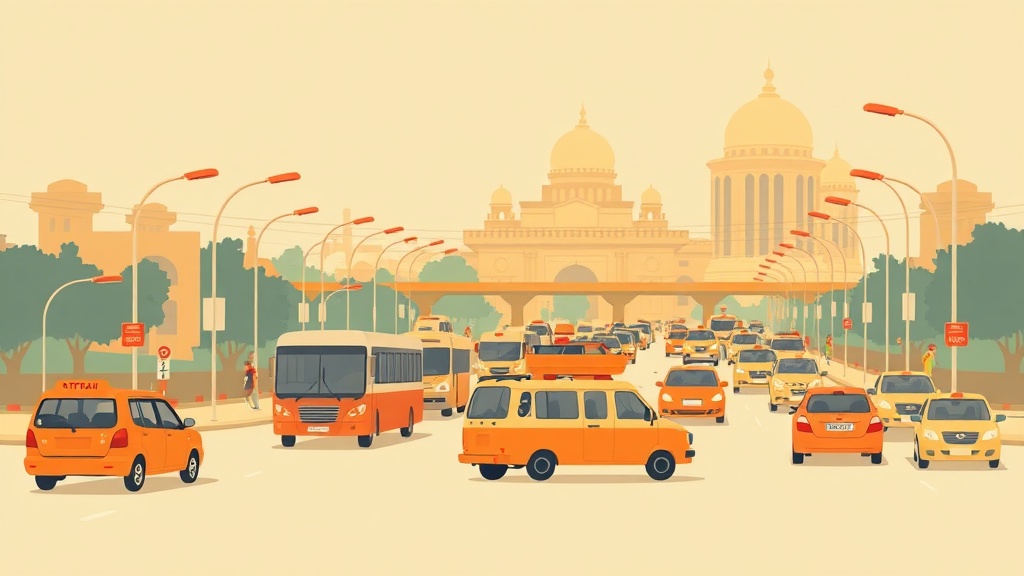
Indian cities mein traffic jam ka permanent solution kya ho sakta hai?
1 Answer
Imagine a bustling Indian city where traffic flows seamlessly, where honks are replaced by the sound of conversation and laughter. This vision isn't just a dream—it's an achievable reality with the right strategies and innovations in place. As urban populations grow and vehicles multiply, tackling the perennial issue of traffic congestion requires a multifaceted approach.
The Urban Conundrum: Traffic in Numbers
India's urban centers are witnessing exponential growth. With over 600 million people projected to reside in cities by 2031, the challenge of traffic congestion looms large. According to a 2020 report, cities like Mumbai and Bangalore lose billions annually due to traffic delays, highlighting the urgency of effective interventions.
Breakthrough Strategies for Traffic Management
1. Integrated Public Transport Systems
- Metro Expansion: Cities like Delhi and Mumbai have seen the benefits of metro systems. Expanding metros can significantly reduce the number of vehicles on the roads.
- Bus Rapid Transit (BRT): Implementing dedicated bus lanes can optimize public transport, making it a more viable choice for daily commuters.
2. Smart Traffic Management Systems
- AI and Real-Time Data: Utilizing Artificial Intelligence to analyze traffic patterns can optimize signal timings, reducing bottlenecks. For instance, Surat has successfully implemented smart traffic signals, contributing to smoother traffic flow.
- Traffic Monitoring Apps: Apps like Google Maps and Waze already help millions navigate congested areas. Promoting their use can aid in real-time decision-making.
3. Promotion of Non-Motorized Transport
- Cycle and Walk Friendly Infrastructure: Creating cycle lanes and pedestrian pathways can encourage non-motorized transport, reducing overall traffic volume.
- ‘Car-free Sundays’: Initiatives like this in cities can raise awareness about the benefits of alternative transportation methods.
Policy-Driven Solutions
4. Regulatory Measures
- Congestion Charges: Implementing a fee for vehicles entering high-density areas can discourage unnecessary travel and encourage the use of public transport.
- Parking Regulations: Limiting parking availability and increasing fees in crowded zones can deter personal vehicle use.
5. Urban Planning Evolution
- Mixed-Use Development: Crafting urban spaces where residential, commercial, and recreational facilities coexist can minimize the need for long commutes.
- Green Zones: Creating more parks and green areas can improve air quality while reducing heat, further making walking and cycling appealing.
Fun Fact
Collaborative Efforts: Marting Urban Mobility
Efforts to combat congestion must involve collaboration among various stakeholders:
- Government Bodies: Need to design policies that promote public transport and non-motorized options.
- Private Sector: Companies can incentivize remote work or flexible hours to reduce peak-time congestion.
- Citizens: Public awareness campaigns can help foster a culture of using public transport or car-pooling.
The Bottom Line
- Traffic congestion is a multifaceted issue requiring innovative, sustainable, and policy-driven solutions.
- Investments in public transport, smart technology, and urban re-planning can significantly alleviate traffic woes.
- Collaboration among government, private entities, and citizens is essential for long-term success.
- Awareness and behavioral changes among citizens can foster a culture of sustainable commuting.
By adopting a holistic approach, Indian cities can transform from being synonymous with traffic jams to exemplars of smooth urban mobility. The roadmap is clear; the time to act is now!