Trend Alert
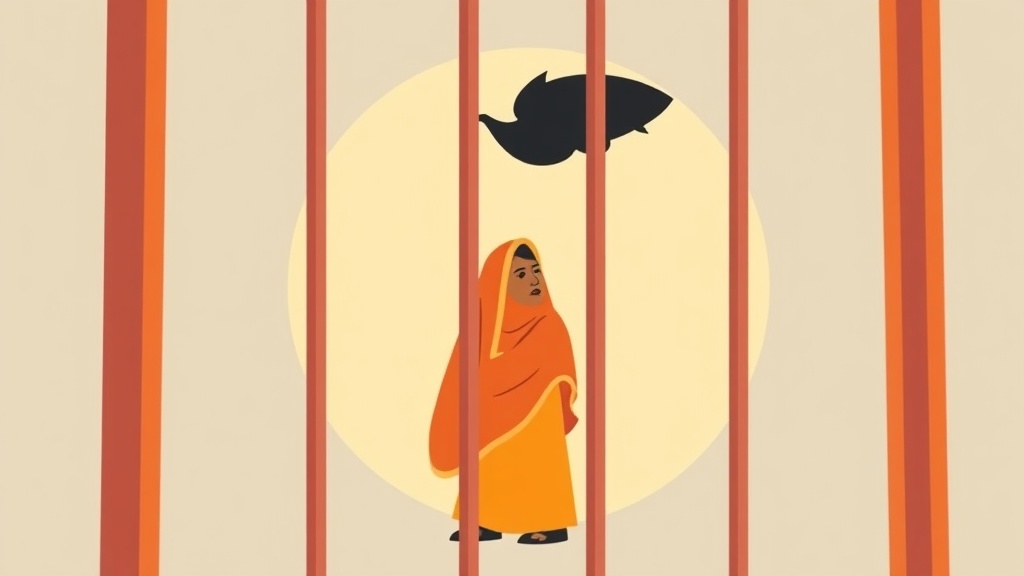
Right now, across India, there’s a wave of discussions around civil liberties and activism, spurred by the release of prominent Ladakh activist Sonam Wangchuk. After being detained for six months under the National Security Act (NSA)—a move that many see as an egregious misuse of power—he’s back in the public domain. But why should this matter to you? Let’s unpack it.
Why Now
To understand the significance of this event, you need to grasp the socio-political context. Sonam Wangchuk is not just any activist; he’s a celebrated environmentalist and education reformer, widely respected for his contributions. His arrest wasn’t just a personal setback; it highlighted a worrying trend of silencing dissent in our democracy. The timing of his release also coincides with impending political movements and elections, making it all the more crucial to pay attention to this narrative now.
Recent Developments
Wangchuk's arrest was initially met with shock and outrage, especially as protests erupted in Ladakh over demands for greater autonomy and environmental safeguards. Six months later, he has been freed, but not without raising questions about the legality and ethics of his detention under laws meant to protect national security, not to stifle the voices of well-respected activists.
A notable tweet encapsulated public sentiment: "Sonam Wangchuk is being called a traitor and framed in false cases." His wife even sought justice from the Supreme Court, calling into question the lack of evidence against him.
Practical Tips
What can you do amid all this political drama? Here are some actionable steps:
-
Educate Yourself: Read up on the National Security Act and its implications. Knowledge is power.
-
Engage in Discussions: Join community forums or even social media groups centered around activism and civil rights. Your voice matters.
-
Support Local Activism: Engage with local NGOs or movements that resonate with issues in your region. Every little bit counts!
Point-by-Point Breakdown
1. Background on the Arrest
Wangchuk was arrested following protests demanding more autonomy in Ladakh, a region that has faced immense ecological changes due to industrialization and climate change. His detention under the NSA raises alarms about the government’s approach to dissent.
2. Legal Missteps
Arresting someone like Wangchuk under the NSA without solid evidence feels like a slap in the face to Indian democracy. The law was meant to protect the nation from real threats, not to stifle voices of reason.
3. Public Sentiment
There's a rising chorus of support for Wangchuk, with many questioning the motives behind his arrest. Social media is abuzz with calls for accountability for those who misused their power.
4. Political Ramifications
His release comes just ahead of critical political events, hinting at potential tactical moves by the government to shift narratives and placate the populace.
Expert Synthesis
The unfolding situation around Sonam Wangchuk raises serious questions about the state of civil liberties in India. Experts warn that using laws like the NSA to curb dissent is a worrying trend that ultimately undermines democratic fabric. His case isn’t just about one man; it’s a broader commentary on how dissenting voices are managed in a politically sensitive climate.
Reality Check
Suno, zameen ki haqeeqat yeh hai: While Wangchuk's release is a breath of fresh air, it shouldn’t make us forget the deeper issues at play. Laws like the NSA are still in place, and until there's significant reform, the shadows of fear will linger over those who dare to speak out.
Underrated Angle
What most people miss is the emotional toll such detentions take not just on the activists but also on their families and communities. Wangchuk’s wife’s fight for justice highlights the often-overlooked personal costs of political strife.
Reddit Community Voice
In a Reddit discussion, a user succinctly put it: “Is there any way to punish those who sent him to jail?” It’s a provocative question that reveals the level of frustration with systemic abuses of power.
Real Experience
One person shared their experience: “Living in Ladakh, I can see how fear has seeped into our communities. Sonam’s work has always inspired us, and his detention felt like a personal blow.”
India Advantage
India has a unique position to leverage social activism as a tool for change. Engaged citizens, like those who rallied for Wangchuk, can drive reforms. This is our moment to redefine what democracy means in this vast nation.
Action Items
Here's what you can do:
-
Stay Updated: Follow reputable news sources on developments related to civil liberties.
-
Join a Movement: Engage with local activism or environmental causes to make your voice heard.
-
Speak Up: Whether at home or online, don't shy away from discussing issues that matter to you.
So, as we mark this chapter in Sonam Wangchuk's story, remember that every voice counts in the making of a robust democracy. Let’s keep the discussion alive!