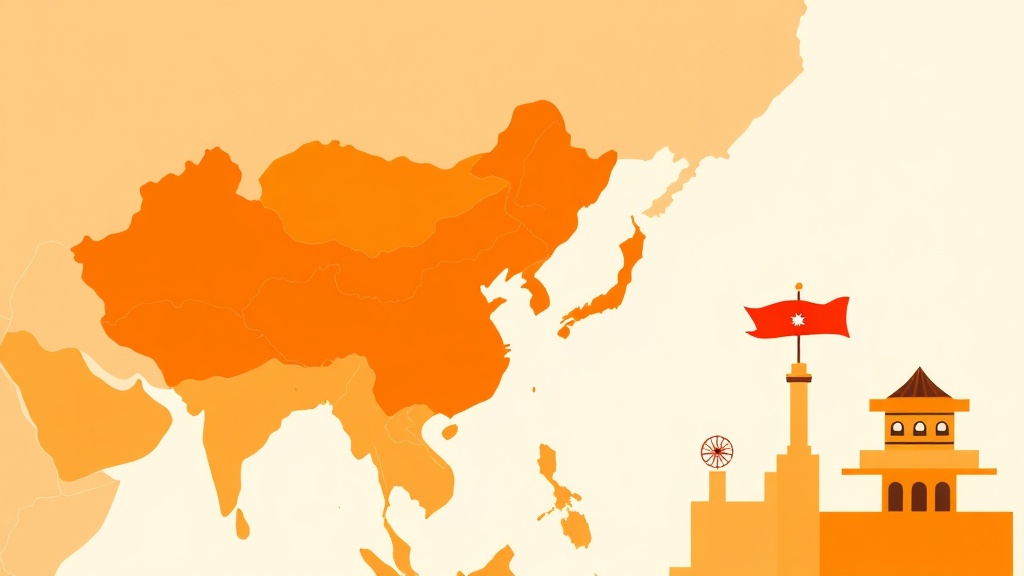
Tension Between Nepal, India, and China: A Real-Time Analysis
As of late 2023, tensions between Nepal, India, and China have reached a new peak. It's not just local squabbles anymore; the stakes have never been higher. With escalating geopolitical maneuvering and a rising sense of nationalism, the Himalayan region is becoming a hotbed for international scrutiny.
Recent Developments
In the past few months, we've witnessed some significant shifts. Nepal recently finalized its new political map that includes territories claimed by India, such as Limpiyadhura, Lipulekh, and Kalapani. This move was met with strong reactions from New Delhi, resulting in diplomatic stiffening between the two neighbors. Meanwhile, China has ramped up its border infrastructure development, showcasing its growing influence in the region, much to India’s concern.
Adding fuel to the fire, Chinese officials have been quite vocal in their support for Nepal, urging a closer economic partnership. It’s a classic game of geopolitics, with both India and China vying for influence in a nation that acts as a bridge between them.
Breakdown of the Main Points
-
Territorial Disputes:
- Nepal's claim over Indian territories is not just a map issue; it goes deeper into national pride. It's a ploy to galvanize public sentiment and distract from domestic issues.
-
China’s Strategic Moves:
- China is investing heavily in Nepal, from infrastructure to economic support. While this seems beneficial for Nepal, it raises eyebrows in India, which sees it as a direct challenge to its sphere of influence.
-
Historical Context:
- India and Nepal have historically shared strong cultural ties, but recent events have threatened this bond. The perception of “big brother” India looms large, and any miscalculation could escalate tensions.
-
Nationalism:
- With the rise of nationalism in both Nepal and India, any perceived slight can quickly escalate. This is evident in how political parties leverage these issues for electoral gains, creating a toxic cycle of rivalry.
-
Regional Stability:
- The involvement of China adds another layer of complexity. India must navigate this landscape while maintaining its own national security and regional stability.
Practical Tips for the Reader
What can you do today? Engage with this situation actively:
-
Stay Informed: Follow reputable news sources to keep an eye on the developments. Knowledge is power.
-
Participate in Discussions: Join forums or community groups discussing these geopolitical dynamics; every voice counts.
-
Support Responsible Journalism: Look for articles that provide balanced perspectives on the India-Nepal-China triangle, rather than sensationalism.
Reality Check
Suno, zameen ki haqeeqat yeh hai—this isn’t just another diplomatic spat. The ramifications of these tensions could affect trade, security, and bilateral relationships for years to come. It’s crucial to differentiate between political posturing and actual conflict; while the rhetoric is loud, real military confrontation hasn’t materialized (yet).
Bold Opinion
Seedha baat—no one wants to admit this, but India's obsessive focus on its own historical grievances can sometimes blind us to the real challenges at hand. Instead of merely claiming what's ours, we might need to rethink our strategy. Shouldn't diplomacy take precedence over nationalism?
India Advantage
Despite the challenges, India holds a unique position as a larger regional power. With its cultural connections, economic potential, and military capabilities, India can offer Nepal alternatives to China's overtures. It’s not about being a “big brother”; it’s about being a supportive neighbor.
Action Items
Here’s what you can do:
- Educate Yourself: Read about the historical ties between India and Nepal to better understand the context.
- Engage Politically: If you’re passionate about foreign policy, consider writing to your local MP about supporting peaceful resolutions in South Asia.
- Connect with Nepal: If you can, support businesses or initiatives that promote Nepalese culture and strengthen ties between our countries.
In closing, the tension between Nepal, India, and China isn’t just an issue for diplomats. It’s relevant to each of us as citizens of a rapidly changing geopolitical landscape. Your actions, no matter how small, can contribute to a more peaceful future.