Trend Alert
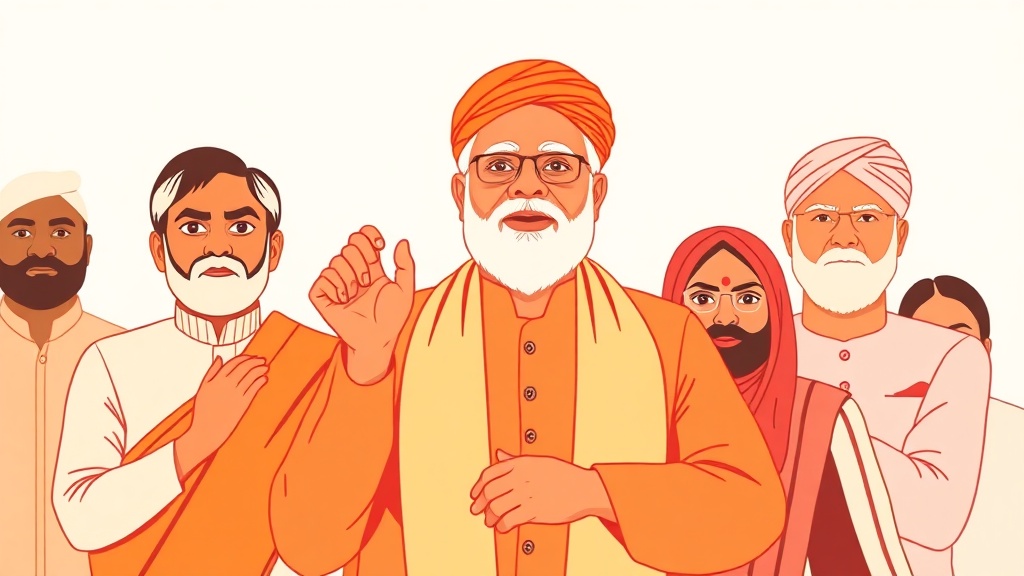
Right now, across India, a political storm is brewing with the rise of key opposition leaders challenging Prime Minister Narendra Modi's hegemony. As the 2024 elections approach, the stakes are higher, and the battle lines are being drawn. The momentum is shifting, and it’s worth taking a closer look at who the major opponents are and what impact they might have.
Recent Developments
In the last few months, we’ve seen a series of developments that are rattling the political landscape. The opposition parties, teetering on the edge of disunity, are now finding common ground—or at least a common enemy. Leaders like Rahul Gandhi from the Congress Party, Arvind Kejriwal from the Aam Aadmi Party (AAP), and Mamata Banerjee from the Trinamool Congress (TMC) are increasingly vocal in their opposition. Recent rallies and campaigns suggest they are ready to take the fight to Modi's doorstep. The buzz is palpable, with various alliances forming against the BJP-led government, and social media is abuzz with strategy discussions.
Point-by-Point Breakdown
1. Rahul Gandhi (Congress Party)
Rahul Gandhi is back in action with his Bharat Jodo Yatra - a nationwide march that has rekindled interest in Congress among the youth. His strategy focuses on economic issues and social justice, portraying the Modi government as out of touch. However, the road ahead is riddled with challenges, as Congress still battles an image problem.
2. Arvind Kejriwal (AAP)
Kejriwal’s focus has shifted from Delhi governance to national issues, making him a significant player. Known for his innovative policies in education and health, he is positioning himself as a viable alternative to Modi. But can he scale his Delhi success across states with different challenges? That's the million-dollar question.
3. Mamata Banerjee (TMC)
Mamata has become the voice of regional aspirations and anti-BJP sentiment in Bengal. Her fiery rhetoric and grassroots connect allow her to rally support against Modi’s centralizing policies. However, her challenge lies in broadening her appeal beyond West Bengal, where the BJP has been gaining traction.
4. Other Rising Stars
Beyond these traditional figures, keep an eye on leaders like Tejashwi Yadav in Bihar and Akhilesh Yadav in Uttar Pradesh. Both are leveraging local issues to muster support against the BJP, proving that regional parties still hold significant clout.
Practical Tips
What can you, the reader, do TODAY?
- Stay Informed: Keep an eye on recent political rallies and statements from these leaders. Try following them on social media for direct updates.
- Engage in Discussions: Be part of conversations, whether in your local paan shop or family gatherings. Sharing perspectives can influence others.
- Educate Yourself on Policies: Understanding the manifesto and past governance can provide a clearer picture of who can be a viable alternative.
Optimistic Take
Despite the challenges, it’s a thrilling time for democracy in India. The rise of strong opposition voices signifies that citizens are hungry for an accountable government. With a little patience and continued engagement, we may very well see a transformative political landscape emerge.
Reality Check
Suno, zameen ki haqeeqat yeh hai—while the current landscape is exciting, it’s essential to remember that many of these leaders are yet to translate their grassroots appeal into reliable electoral success. The competition is intense, and any misstep can derail momentum faster than a politician can flip-flop on a policy.
India Advantage
India's unique advantage lies in its diversity. With opposition leaders focusing on regional issues, there’s an opportunity for a more representative governance model. The multivariate nature of Indian politics can work to its advantage, fostering dialogues that reflect the voices of millions.
Action Items
Here’s what you can do:
- Research Candidates: Understand the policies of local leaders as well as national ones.
- Engage in Civic Activities: Volunteer for local campaigns or initiatives you believe in.
- Discuss and Debate: Have open conversations with friends and family about which leaders resonate with the issues you care about.
India's democratic spirit shines brightest when we actively participate in shaping it. So, gear up ahead of the elections—it’s going to be a wild ride!