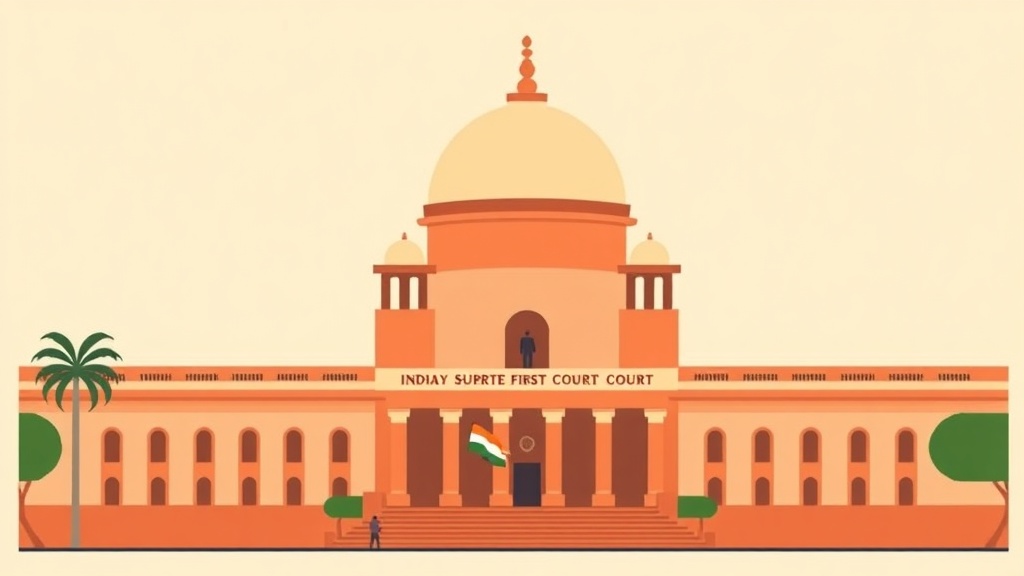
India's First Supreme Court: History Meets Modern Relevance
Trend Alert
Right now, across India, there's an increasing buzz about the legal system, especially with recent high-profile cases and reforms being discussed. It’s not just political drama; it’s about our judicial backbone—the Supreme Court. But how many of us even know its origins? Spoiler alert: it’s not just a recent phenomenon.
Why Now
Kyun ki aaj kal judiciary ka role badal raha hai, samajhna zaroori hai ki Supreme Court kaise shuru hua tha aur iska maqsad kya tha. Acherchur, Supreme Court ke decisions aaj bhi humare roz marra ki zindagi par gahra asar dalte hain. Iss waqt, jab judicial reforms ki baatein ho rahi hain, is historical context ko samajhna bahut zaroori hai.
Point-by-Point Breakdown
-
Establishment India's pehla Supreme Court establish hua tha 28 January 1950 ko, jitne din humein apni Republic ka roop mila. Yeh court tab banaya gaya jab humare Constitution ne legally independent judiciary banane ka promise kiya.
-
Purpose Court ka maqsad tha justice provide karna, authority ko balance karna, aur social justice ko uphold karna. Yeh ek aisa nizam hona chahiye tha jo logon ke rights ko khud se protect kare.
-
Evolution Pehle ke zamanen mein, judgement kaafi time lete the. Lekin Supreme Court ne landmark judgments diye, jo ki nah sirf law ko define karte hain, balki society ki soch ko bhi transform karte hain. Jaise ki, Shah Bano case ya Vishaka Guidelines, inhone social reform ko kickstart kiya.
-
Judicial Activism Supreme Court ne apne judiciary activism se kai baar sensitive issues, jaise women's rights aur environmental issues, ko upar uthaya. Yeh court sirf laws ka interpretation nahi karta, balki naye laws bhi create karta hai society ki zarurat ke hisaab se.
Practical Tips
Agar aapko legal issues ya rights ke bare mein jaan kar action lena hai, to yeh kuch easy steps hain jo aap aaj hi le sakte hain:
- Educate Yourself: Legal ke bare mein padhai karne ke liye online resources aur local workshops ka istemal karein.
- Join Community Groups: Local legal awareness groups ya NGOs join karein jaahan aap apne rights ke liye advocacy kar sakte hain.
- Stay Updated: News follow karein legal reforms aur Supreme Court judgments par. Yeh aapko current issues ke bare mein aware rakhega.
Reality Check
Suno, zameen ki haqeeqat yeh hai ki despite all the progress, Supreme Court bhi challenges face karta hai—backlogs, delayed justice, aur political interference. Hype se bahar aao - asli situation yeh hai ki har case ke liye years lag sakte hain. Aakhirkar, judiciary bhi human hai.
Bold Opinion
Seedha baat—no one wants to admit this, but our Supreme Court sometimes acts like a double-edged sword. Judiciary ka kaam hai justice deliver karna, par kabhi kabhi yeh bade political issues se embroiled ho jaata hai, jo iski impartiality ko question kar sakta hai.
India Advantage
India ka advantage hai iski vast diversity aur vigorous civil society. Humare paas aisi communities hain jo actively legal issues tackle karti hain. Agar hum in strengths ko sahi direction mein utilize karein, to judiciary ko empower karke hum ek strong legal framework create kar sakte hain.
Action Items
Here's what you can do:
- Become a legal citizen—research karein aur apne rights ke bare mein aware ho jayein.
- Participate in discussions around judicial reforms at your local level.
- Advocate for transparency in judicial processes, kyunki yeh hum sab ka haq hai.
Iss tarah se, aap apna contribution de sakte hain ek behtar aur strong judiciary ke liye jo hamari democracy ki delineation kare.