Trend Alert
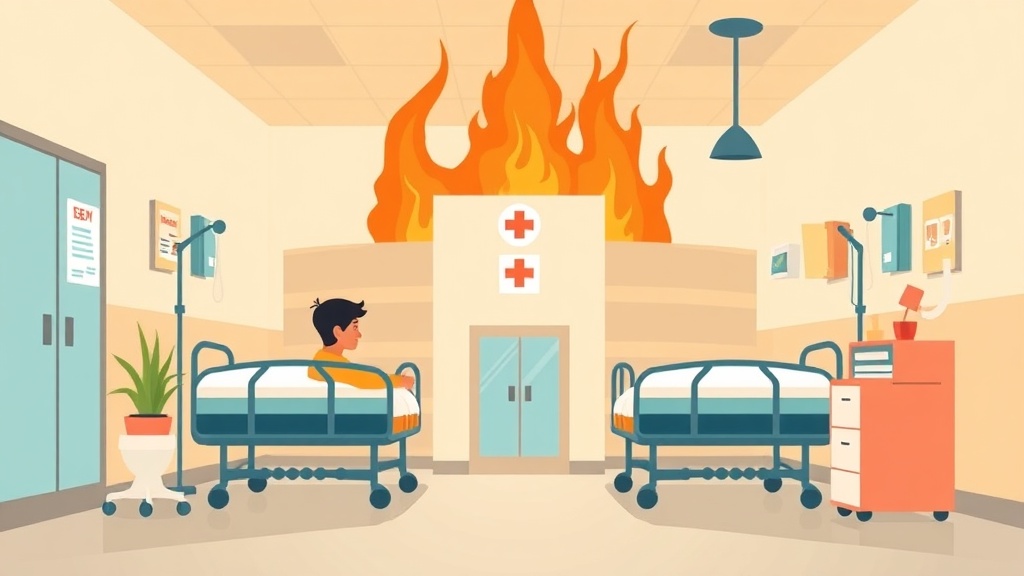
Right now, across India, hospital fires are becoming an alarming trend. Sounds dramatic? Blame it on the unfortunate events of recent months that have thrown the spotlight on the safety protocols at medical facilities. With the tragic hospital fire in Mumbai that claimed numerous lives, it’s clear this issue isn't going away anytime soon.
Recent Developments
A few weeks back, a fire erupted in a private hospital in Mumbai’s Bhandup area, leading to the unfortunate deaths of 11 patients. This incident not only raised questions about fire safety in hospitals but also about the overall regulatory oversight. Authorities have faced backlash for allegedly lax safety measures and poorly designed infrastructure. Agar hum is baat par ghoor karein, toh yeh sirf ek akele case nahi hai. Past incidents in Kolkata and Delhi have shown that the danger is widespread.
Point-by-Point Breakdown
1. Regulatory Gaps
Hospitals in India often exist in a grey area regarding fire safety regulations. There’s no uniform application of rules. Larger hospitals may adhere to safety standards, but smaller ones often skimp on those essentials.
2. Infrastructure Design
Hospitals are built to provide care, not to withstand disasters. Inadequate fire exits, lack of fire alarms, and poorly lit hallways can turn a medical facility into a death trap.
3. Awareness and Training
Often, hospital staff aren’t trained adequately for emergency situations. Fire drills? Rarely practiced. Knowledge is power, and in life-saving scenarios, it can mean the difference between life and death.
4. Public Perception
There’s a tendency to think that hospitals, being places of healing, are immune to disasters. Lekin, yahaan kuch bhi sure nahi hai. Public complacency can sometimes exacerbate the situation.
5. Emergency Response
What good is a fancy hospital if it doesn’t have a robust strategy to deal with emergencies? Quick evacuation plans and clear roles can save lives.
Practical Tips
So, what can you, as a savvy reader, do TODAY?
-
Check Fire Safety Certificates: Before admitting a loved one, ensure the hospital has valid fire safety certifications. If they can’t produce it, consider this a red flag.
-
Ask About Emergency Plans: Don’t hesitate to inquire about their fire safety protocols. A hospital that’s prepared will have a clear plan in place.
-
Educate Yourself and Others: Share information about hospital safety and fire protocols in your community. A little awareness goes a long way!
Reality Check
Suno, zameen ki haqeeqat yeh hai: Aaj ke modern healthcare facilities, while advanced, can still be disaster-prone if safety measures are neglected. Emergency responders often face a lack of coordination, and let's be honest, the bureaucracy in times of crisis is usually less than helpful.
Underrated Angle
What most people miss is how diseases and emergencies are intrinsically linked. Increased patient loads during peak illness seasons can exacerbate existing issues, including fire safety. A stressed healthcare system is a dangerous one, and the correlation between health crises and safety oversights might not be on everyone’s radar.
India Advantage
India has a unique opportunity to set global standards in hospital safety. Hamare paas talented engineers and healthcare professionals hain jo innovative safety solutions devise kar sakte hain. Agar hum safety ko ek priority banayein, toh not only can we save lives, but we can also create models that can be replicated elsewhere.
Action Items
Here's what you can do to contribute to a safer healthcare environment:
-
Advocate for Better Safety Standards: Engage with local representatives to push for stricter regulations and inspections of medical facilities.
-
Join Community Programs: Participate in local safety drills or training programs; being informed makes you an invaluable asset in emergencies.
-
Support NGOs Focused on Health Safety: Contribute to or volunteer with organizations that work toward healthcare safety reforms.
Let’s turn this tragedy into a catalyst for change. After all, safety shouldn't be an afterthought; it should be built into the foundation of our healthcare system.