Trend Alert
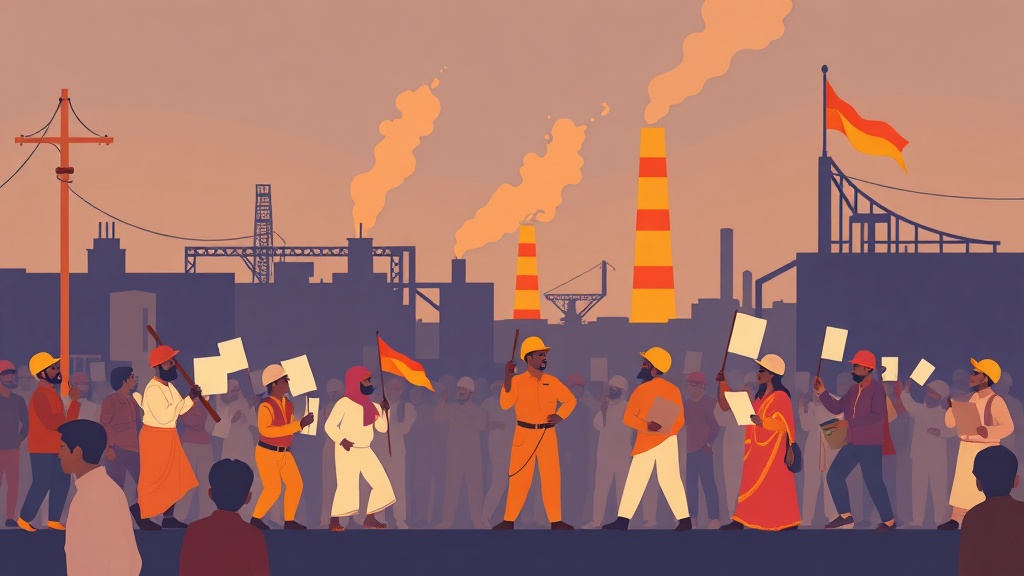
Right now, across India, the factory workers' protests have gained significant momentum. A situation that started as a mere discontent has turned into a full-blown flashpoint in Noida, just days after workers expressed their grievances over wages and working conditions. It’s a crucial moment that needs our attention—if not now, then when?
Recent Developments
Over the last week, Noida has been the epicenter of rising tensions as factory workers went on strike. Initially, their demands were simple: higher wages and better working conditions. But as negotiations stalled, the protests intensified. Just recently, reports emerged that police resorted to tear gas to disperse demonstrators after things took a violent turn. It seems this is not just a local issue anymore; it reflects a widespread discontent among the working class, especially in industrial hubs.
India Landscape
India’s manufacturing sector, which contributes significantly to the GDP, is facing headwinds. The combination of rising costs and stagnant wages is making it difficult for workers to sustain their families. Is it just me, or does it seem like our economic growth often comes on the backs of the very people who keep the lights on?
Noida is a tech and manufacturing hub, housing numerous factories that employ thousands. When workers protest here, it's not just a demand for their rights; it's a signal that the system is shaking. It raises an alarm about what’s happening deep within our industrial landscape.
Point-by-Point Breakdown
-
Wage Gaps: Workers are demanding a wage hike that is more in line with rising inflation. Paise se zyada waqt ki maang hai, bosses!
-
Working Conditions: Many factories are not compliant with health and safety standards. Workers are facing long hours with minimal breaks—sounds like a recipe for disaster.
-
Harassment Claims: There are disturbing reports of harassment and mistreatment within workplaces, which is pushing workers to the edge.
-
Government Response: The local administration’s heavy-handed approach, including police involvement, speaks to a deeper disconnect between the government and the working class.
-
Public Sentiment: The public response has been mixed; while some sympathize with the workers, others worry about the impact on the economy. The common man’s support is crucial here.
Practical Tips
What can you do today, as a concerned citizen? Glad you asked!
-
Support Local Initiatives: If you can, back campaigns or organizations that work for workers' rights. Every bit helps!
-
Spread Awareness: Use your social media platforms to highlight these issues. The more people know, the more pressure there is on authorities.
-
Engage with Local Leaders: Be vocal about these issues with your elected representatives. They need to hear from constituents who care!
Expert Synthesis
Insight from various sources indicates that while the plight of workers is legitimate, it has often been overshadowed by larger political narratives. A Reddit community member noted, “India is not abandoning the workers. It is refusing to let their legitimate cause be used as cover." This encapsulates the delicate balance that the government must strike.
Reality Check
Suno, zameen ki haqeeqat yeh hai: Protests are essential for democracy, but violence doesn’t solve anything. It's crucial to create an environment where dialogue can happen, rather than throwing tear gas at people demanding basic rights.
Optimistic Take
Despite the challenges, there’s hope. If the government takes these protests seriously, it could lead to crucial reforms that benefit both the workers and the economy. Remember, a strong workforce is the backbone of a strong nation.
Twitter Pulse
The conversation on X has been buzzing with mixed reactions. Many have pointed out the workers' plight, echoing sentiments like “Protesting for rights should never be met with violence.” Others have questioned the timing and effectiveness of these protests, suggesting a more organized approach could yield better results.
Reddit Community Voice
One insightful quote shared on Reddit reads, "These protests may disrupt the city, but without them, the issues go unnoticed." — shared by a user on r/NoidaProtest. It captures the essence of why these demonstrations matter.
India-Specific Challenges
Let’s be real: India has its own set of unique challenges, be it bureaucratic apathy, lack of accountability, or even societal indifference. But every challenge presents an opportunity for dialogue and reform.
Action Items
Here’s what you can do:
-
Inform Peers: Share articles, reports, or even this article to keep people informed about the situation.
-
Participate in Local Movements: Join peaceful protests or discussions happening in your area to amplify the workers' voices.
-
Contact Local Representatives: Write to your MP or local officials urging them to address these issues in a constructive manner.
In conclusion, let's take a step back and reflect on the broader implications of the ongoing protests. It's more than just Noida; it's about setting a precedent for how we value labor in this rapidly modernizing nation.