Trend Alert
Right now, across India, there's a buzz about migration—specifically, the journey of many migrants heading back to their hometowns. Is it just the seasonal trend of returning home, or is something deeper at play? The last year has seen an unprecedented number of people making their way back, and it’s time we discuss why this surge is happening and what it means for the families and regions involved.
Recent Developments
In the past few months, reports of increased migrant returns have flooded news cycles. Matters like job losses during the pandemic, rising living costs in urban areas, and the allure of rural life are prompting many to reconsider their choices. According to recent surveys, a staggering number of urban workers are now contemplating a permanent exit from the city grind. Some states, like Uttar Pradesh and Bihar, are even running campaigns to promote the return of laborers, touting homegrown employment opportunities as a way to boost local economies.
Why Now
Why should we dissect this trend today? Well, the aftermath of COVID-19 has reshaped not just individual lives but also entire economic paradigms. With companies now adapting to remote work, many are finding it more feasible to live farther away from their workplaces. Moreover, the increasing cost of living, mixed with decreased wages in urban settings, has highlighted the vulnerabilities of migrant workers. As workplaces evolve, so do the choices of these workers.
Point-by-Point Breakdown
1. Economic Challenges
Urban centers have been the epicenters of economic promise, luring migrants with the allure of jobs. But the pandemic has exposed the fragility of this promise. With many returning home, the narrative is shifting from “more money, more problems” to “less money, more peace.”
2. Improved Rural Opportunities
States are initiating projects aimed at job creation, whether through agriculture, handicrafts, or small-scale industries. This creative pivot is not just a desperate attempt to keep people from leaving; it’s a strategic vision to revitalize rural economies and communities.
3. Family Connections
Amid the hustle and bustle of city life, many migrants have realized how disconnected they’ve become from their roots. A chance to bond with family and find emotional solace is proving to be significant motivators for many.
4. Health and Safety Concerns
The pandemic made people reconsider their living situations. For many, the close quarters and fast-paced lives of cities are no longer appealing when juxtaposed against rural serenity and the promise of a healthier environment.
Practical Tips
What can you do today if you're one of those contemplating the return? Here are some immediate steps:
-
Research Opportunities: Delve into local job markets. There’s often a demand for skills that migrants possess.
-
Engage with Community Products: Support or even start a local cooperative that showcases rural produce or crafts. This not only boosts local economy but ensures sustainable growth.
-
Plan Financially: Before you pack your bags, create a budget that encompasses the costs of moving, settling, and sustaining yourself until you find work.
Comparison Analysis
When comparing urban and rural life, it’s essential to weigh the pros and cons carefully. Urban life often promises faster connectivity and higher earnings, but at the cost of high living expenses and stress. Rural life, on the other hand, may offer tranquility and closer community ties but can lack the same economic opportunities.
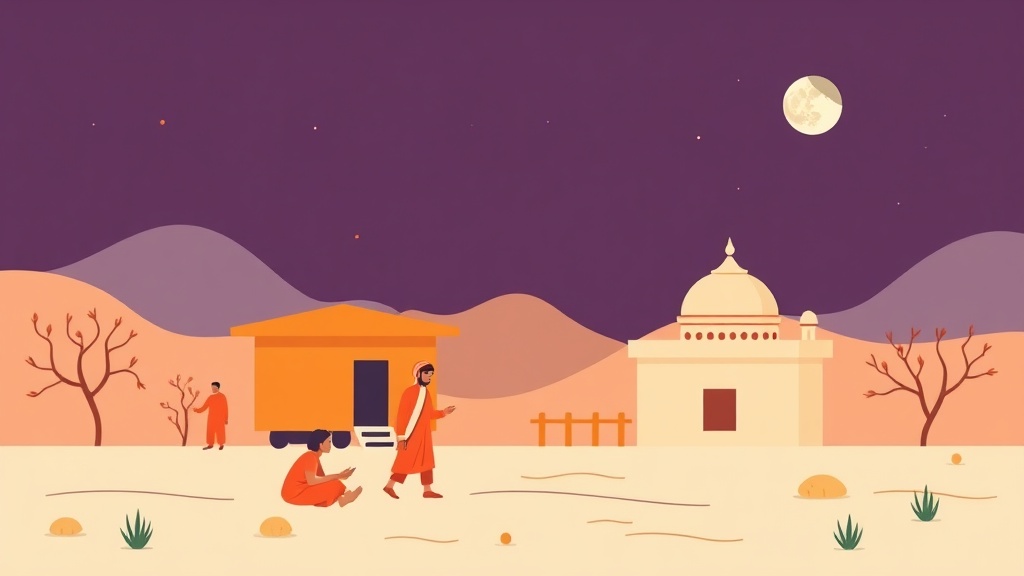
Those who have returned often cite the simple joys of rural life—nights lit by stars instead of city lights, fresh air instead of fumes—over the clamorous cityscape.
Optimistic Take
While challenges remain, there’s an undeniable shift happening in the country. With effective policy interventions and local entrepreneurship, we can see an upliftment of rural areas that could offer a sustainable model for future generations. Maybe it’s time we redefine success—not as the height of a corporate ladder, but as community health and contentment.
Prediction
If current trends continue, we might witness a significant migration reversal in the coming years. More people are likely to settle in their hometowns permanently, leading to a vibrant exchange of ideas—and not just remittances—that could enrich both urban and rural areas.
Twitter/X Pulse
The conversation on X has been quite enlightening. Many users are sharing their own stories of returning home, like one who commented, "Kahin aur jaane ka man hi nahi karta, ghar ka sukoon alag hai." This reflects a growing sentiment that perhaps home is not just where the heart is but where happiness truly lies.
Community Consensus
The consensus among those who've dealt with these issues is quite revealing. Many feel that the time spent away from home, often fraught with struggles, has led to a deeper appreciation for their roots. It’s not simply about economic necessity anymore; it’s about reconnecting with a sense of identity.
India's Global Position
Globally, India’s migration patterns reflect larger issues of urbanization and economic disparity. While we have the potential to align with international trends, it's vital we address the internal challenges first—like ensuring equitable growth across all regions.
Action Items
Here’s what you can do:
-
Support local businesses: Whether you stay or return, try to buy from local sources whenever possible.
-
Educate yourself: Stay informed about government initiatives aimed at improving rural economies.
-
Get involved: Whether through volunteer work or starting your project, engage with your community for collective growth.
In conclusion, the migration pattern we’re witnessing isn’t just a statistic; it’s a story of resilience, adaptation, and ultimately, the quest for a life well-lived.