Relatable Scenario
Picture this: You're scrolling through your phone during a coffee break, mindlessly checking social media or news feeds. Suddenly, a headline pops up: "Indian Army Foils Infiltration Bid in Jammu and Kashmir." Intrigued, you click, but let’s be honest—how often do these stories actually impact your daily life? You might find yourself thinking, "That's far away, does it even concern me?" Well, brace yourself; it does.
Recent Developments
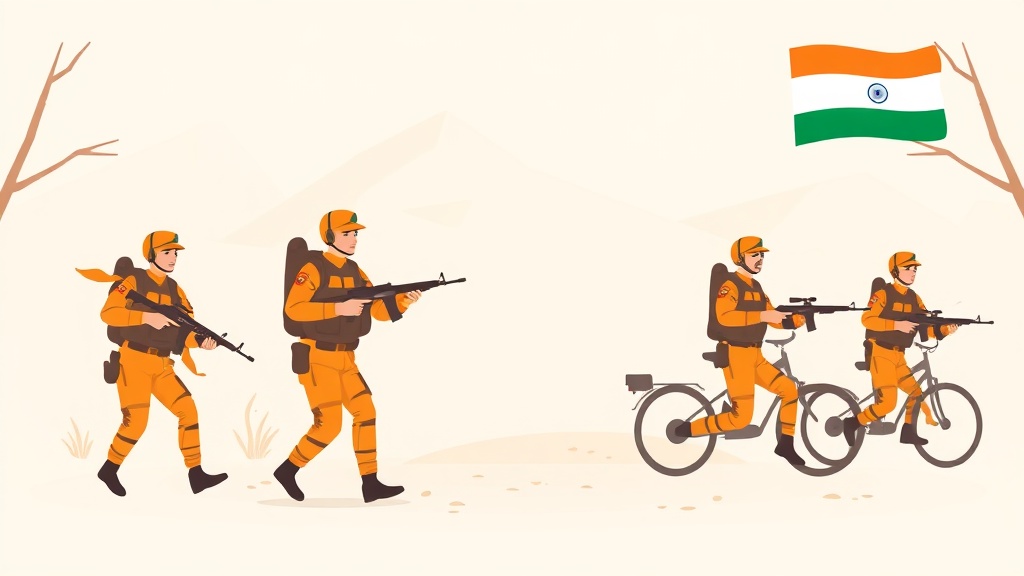
Recently, the situation in Kashmir has been tense, with the Indian Army and Jammu and Kashmir Police conducting joint operations to counter infiltration attempts from across the border. Just a few weeks ago, on March 14-15, there's been a notable operation in the Uri sector, resulting in the death of a Pakistani terrorist. This isn’t just another headline but a reflection of ongoing challenges and efforts in maintaining regional security.
Source Introduction
This analysis pulls from real conversations within the community, bringing you insights that resonate with current sentiments. You’re not alone in pondering these developments.
Point-by-Point Breakdown
1. The Operation Timeline
According to the Indian Army, the operation was launched on the night of March 14, following intelligence reports from the Jammu and Kashmir Police. They had identified specific movements related to terrorist infiltration attempts. This quick response highlights the coordination between military and police forces that’s crucial for effective action.
2. The Infiltration Attempt
The infiltration attempt was thwarted in the Uri sector, known for being a hotbed for such activities. Apart from being a strategic military zone, it's a region familiar to many Indians due to its beauty and significance. Yet, it also acts as the frontline against Pakistani terrorists attempting to cross into our territory.
3. Casualties and Impact
The operation resulted in the elimination of a Pakistani terrorist, a move that not only prevents potential attacks but sends a clear message—India is vigilant. As one Twitter user pointed out, "Killing one terrorist may save lives of many"—a sentiment that resonates deeply when you consider the broader implications for security.
4. Community Response
Reactions from netizens have been mixed. While many are supportive of the Army's actions, acknowledging the threat posed by terrorism, others express skepticism about long-term peace. This duality is reflective of the broader Indian mindset—a blend of patriotism and frustration over unresolved issues.
Practical Tips
What can you do TODAY?
- Stay Informed: Follow credible news sources to get updates about Kashmir and security-related news. Knowledge is power.
- Join Communities: Engage in discussions on platforms like Reddit or local forums. Share your views and learn from others.
- Spread Awareness: Share positive narratives about the efforts in Kashmir among your social circles.
Comparison Analysis
Let’s compare the joint operations of the Army and J&K Police versus other forms of counter-terrorism. The joint approach seems to be more effective as it allows for resource optimization and quicker decision-making. In contrast, more bureaucratic or fragmented approaches might lead to delays and missed opportunities. Given the urgency of the situation in Kashmir, efficiency is key.
Reality Check
Suno, zameen ki haqeeqat yeh hai: while operations like these boost morale and are necessary for immediate security, they do not address the root causes of unrest. The socio-political landscape in Kashmir is complex. Historically viewed, military action alone has rarely brought lasting peace. The local populace’s concerns must also be handled sensitively, something we can’t ignore.
Bold Opinion
Seedha baat: no one wants to admit this, but military operations in Kashmir are like using a band-aid on a deep wound. Without addressing local grievances and aspirations, we may just be prolonging the cycle of violence and retaliation.
Real Experience
One person shared their experience: "I was in Uri during this recent operation. While the army's presence felt secure, the locals seemed cautious, as if they were caught in a crossfire, both literal and metaphorical." This illustrates how intricately personal and political narratives intertwine in conflict zones.
Reddit Community Voice
A Reddit user astutely pointed out, "[There’s a lot of talk about security, but let’s not forget the human cost involved.]" This echoes a sentiment that often gets overshadowed—every bullet has a story.
India-Specific Challenges
India faces unique challenges in Kashmir, from historical grievances to developmental needs. We’ve seen government initiatives falter due to a lack of trust from the locals. However, awareness is the first step toward problem-solving. Strengthening community relations can pave the way for a more stable future.
Action Items
Here are some clear action items for you:
- Engage with Local Narratives: Follow local journalists and activists for a broader perspective beyond mainstream media.
- Advocate for Peace Initiatives: Support programs aimed at fostering dialogue between different communities.
- Educate Yourself: Take time to read about Jammu and Kashmir’s history and the socio-political landscape—understanding context is key.
In conclusion, by staying aware and actively participating in discussions, we can all play a part in shaping a better narrative for Kashmir. Let's ensure that we care beyond distant headlines.