Recent Developments in Indian Tanker Transit Through Hormuz
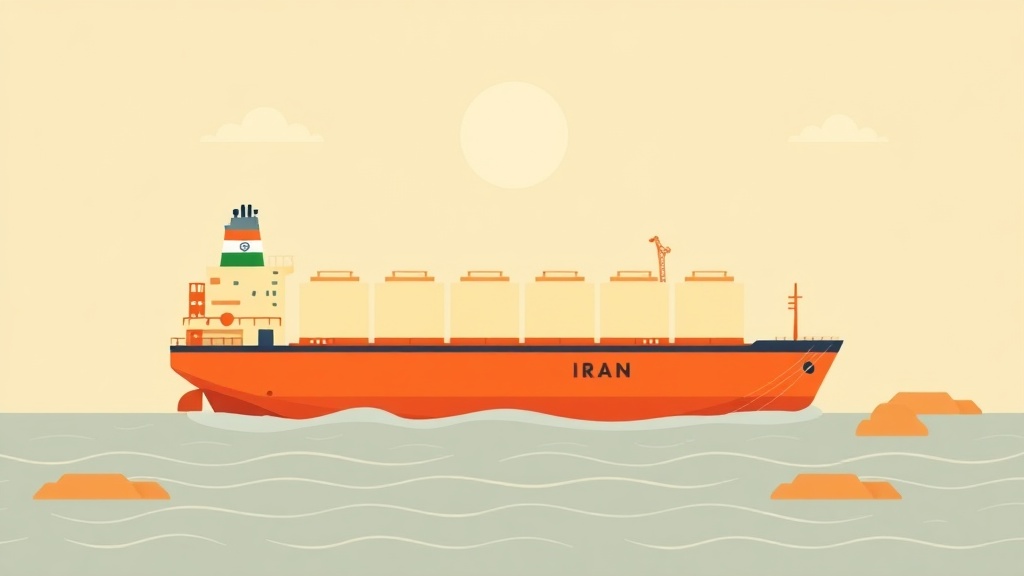
As of March 2026, the situation surrounding Indian tankers in the Strait of Hormuz just took an intriguing turn. In recent weeks, reports suggest Iran has seemingly softened its stance, enabling Indian-flagged vessels, specifically tankers named Pushpak and Parimal, to transit through this critical maritime choke point. But hold your horses, kyunki yeh cheez utni straightforward nahi hai jitni lagti hai.
The Indian Landscape: Navigating Our Own Waters
India is a major player in global energy markets, with about 85% of its crude oil imports coming via maritime routes. The Strait of Hormuz, surrounded by regional complexities and geopolitical tensions, is not just a pivotal artery for global oil supply but also a matter of substantial national interest for India. Tension between Iran and Western nations, especially the US, puts Indian interests in a precarious position, demanding that we remain nimble and tactful.
Community Buzz on the Issue
Discussions around this topic have been lively among netizens. From political analysts to everyday citizens, opinions vary. This article reflects some of those conversations, backed by tweets and posts from the community.
Point-by-Point Breakdown
1. Iran’s Mixed Signals Iran initially denied granting permission for Indian tankers to cross through Hormuz, while India's External Affairs Minister, S. Jaishankar, asserted otherwise. However, after discussions, it became apparent that Iran would issue transit permits if Indian vessels inform them ahead of entry. So, kya khichadi pak rahi hai?
2. Safety Assurance The permits come with a caveat: Indian tankers must notify Iranian authorities before entering the Strait. This is a significant development, albeit a cautious one, considering the past tensions where ships (e.g., a Thai-flagged commercial vessel) were reportedly attacked in the same waters.
3. Geo-Political Ramifications The juice of this whole situation is how it plays into the larger geopolitical landscape. While US and EU ships face restrictions, this move by Iran could be interpreted as an olive branch towards India, strengthening bilateral ties amid regional tensions. Are we witnessing a new trend in diplomacy?
4. Economic Implications For India, a stable supply line for crude oil means keeping inflation in check, especially with fluctuating global oil prices. Any hiccup here can directly impact consumer prices at petrol pumps, something every Indian feels deeply.
Practical Tips: What Can You Do Today?
- Stay Informed: Follow news sources for real-time updates on maritime movements and geopolitical changes.
- Be Proactive: If involved in energy sectors or logistics, ensure your supply chains hedge against possible disruptions.
- Engage Politically: Channel your concerns or suggestions to local representatives. Public discourse shapes policy!
Pros and Cons
Pros:
- Assured Supply: Permits from Iran mean less risk in accessing crude oil, which is vital for our economy.
- Stronger Relations: Increased cooperation could lead to a more stable environment for trade.
Cons:
- Geopolitical Risks: The region is still fraught with tensions. Any sudden change can affect shipping routes and safety.
- Reliance on One Source: Over-dependence on oil imports from Iran or any single country can be a recipe for disaster if relations sour.
Reality Check
Suno, zameen ki haqeeqat yeh hai: The road ahead is not smooth. Diplomatic gains can turn into losses overnight. Shifting alliances and regional politics are slippery slopes. It's crucial for India to maintain a diversified import strategy and not put all our eggs in one basket.
A Cautiously Optimistic Note
Despite these challenges, one can hope for a more pragmatic approach from both India and Iran. If dialogues like these can bring about tangible benefits, then there's room for cautious optimism. To not just survive, but thrive in this complex web of international relations, India must leverage its strategic importance wisely.
Community Voices on Reddit
One user aptly noted, "[Iran denies granting permission while India says otherwise, a classic case of who to believe!]” — shared by a thoughtful participant on r/geopolitics. This kind of nuanced dialogue reflects the uncertainty that stems from these diplomatic maneuvers.
Twitter Pulse
The conversation on X (Twitter) has been buzzing, with many pointing out the contradictions in claims by both India and Iran, emphasizing that public sentiment is divided yet engaged on the topic of energy security.
Indian Market Dynamics
Pricing fluctuations in the oil market are directly tied to such geopolitical moves. Consumers in India feel every shift at the petrol pump, and a stable flow from Hormuz could ease these pressures in the short term.
Action Items
Here’s what you can do:
- Monitor News: Follow updates on the Strait and energy policies.
- Engage in Discussions: Share your views on social media or community forums about India's energy strategy.
- Support Renewables: Advocate for diversified energy sources — think solar and wind — to reduce dependency.
Navigating this complex web of diplomacy requires not just awareness but active engagement. It's our responsibility to keenly observe and adapt.