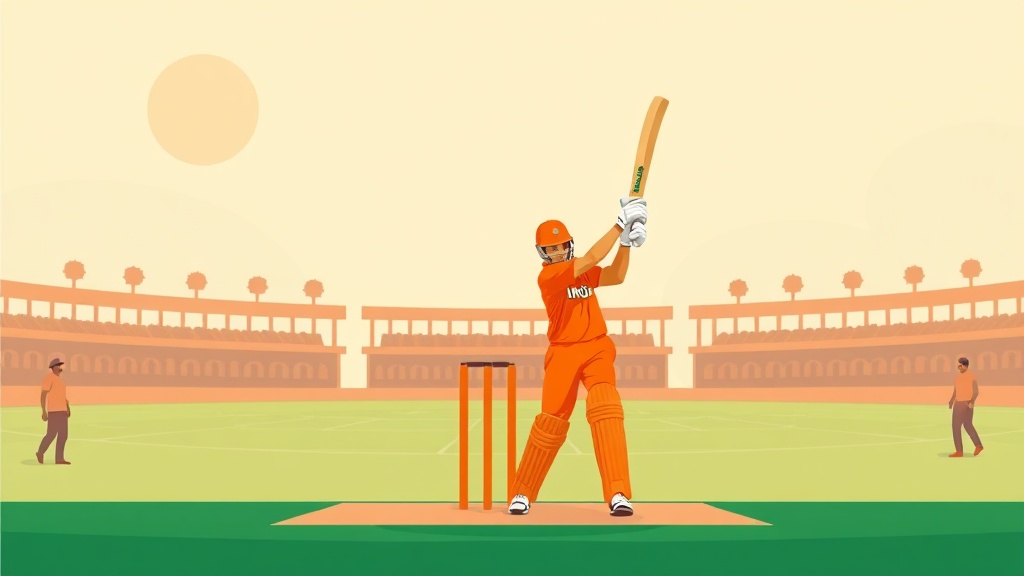
The rivalry between India and Pakistan is as intense and complex as it is storied, stretching far beyond the boundaries of cricket to encompass a myriad of political, cultural, and social dimensions. While the cricket matches between these two nations often dominate headlines, they are merely a reflection of a deeper historical relationship filled with conflict and camaraderie.
The Historical Context: A Tangled Web
To understand the rivalry, one must look back at the Partition of 1947, which led to the division of British India into two nations, India and Pakistan. This event left deep-seated scars and has fueled multiple conflicts, primarily over territories like Kashmir, which has been a flashpoint for wars in 1947, 1965, and more recently, rising tensions along the Line of Control.
The aftermath of Partition resulted in mass migrations, communal violence, and a longstanding animosity that continues to influence politics, society, and international relations today.
The Cricket Connection: A Bitter Sweet Veil
Cricket serves as a microcosm of the rivalry – with T20 World Cups and ODI series often igniting national fervor. Matches can evoke feelings of pride and unity among fans, yet they can also lead to pervasive tensions.
Why Cricket Matters
- Cultural Significance: Cricket matches are often viewed as battles for national pride, uniting passionate fans.
- Economic Impact: High-stakes matches can generate millions in revenue and viewership, making them a commercial powerhouse.
- Diplomatic Undertones: Matches have been occasions where dialogue and back-channel communications may take place, albeit informally.
Other Fronts of Rivalry
While cricket is pivotal, the scope of rivalry is far broader, affecting:
Politics and Diplomacy
- Kashmir Issue: The ongoing territorial dispute continues to be a catalyst for military and diplomatic standoffs.
- Terrorism: Incidents like the 2008 Mumbai attacks have significantly strained relations, leading to international condemnations and military escalations.
- Nuclear Arms Race: Both nations possess nuclear capabilities, adding a critical dimension to their rivalry.
Economics and Trade
Despite historical animosities, economic ties have been strained yet present opportunities for cooperation:
| Feature | India | Pakistan |
|---|---|---|
| GDP (2023) | Approximately $3.4 trillion | Approximately $376 billion |
| Trade Potential | Approximately $37 billion | Limited chiefly to essential goods |
Source: BharatBol research. Data is illustrative — verify from official sources.
Cultural Exchange
Although cultural exchanges have dwindled due to political tensions, there's a shared heritage:
- Music and Cinema: Bollywood and Pakistani music enjoy cross-border appeal.
- Literature: Writers like Saadat Hasan Manto provide profound insights into the shared cultural tapestry.
Did You Know?
The Bottom Line
- The India-Pakistan rivalry extends far beyond cricket, deeply intertwined with historical, political, and economic contexts.
- Cricket serves as a platform that reflects national pride but also underscores the rivalry's intensity.
- Politically, the Kashmir issue continues to escalate tensions, impacting diplomatic relations.
- Despite political animosities, cultural exchanges reflect a shared heritage, indicating potential pathways to rapprochement.
In essence, while cricket moments may captivate audiences, the larger narrative of the India-Pakistan rivalry encompasses profound complexities that resonate well beyond the cricket field.